
Dengue fever is a viral disease transmitted by mosquitoes, particularly the Aedes aegypti species. It’s prevalent in tropical and subtropical areas, affecting millions of people each year. While many recover from the acute phase of dengue treatment, it’s important to recognize that some individuals may experience long-lasting effects even after the primary dengue symptoms have subsided. This article explores these aftereffects in simple terms, aiming to provide a clear understanding for patients, caregivers, and the general public.
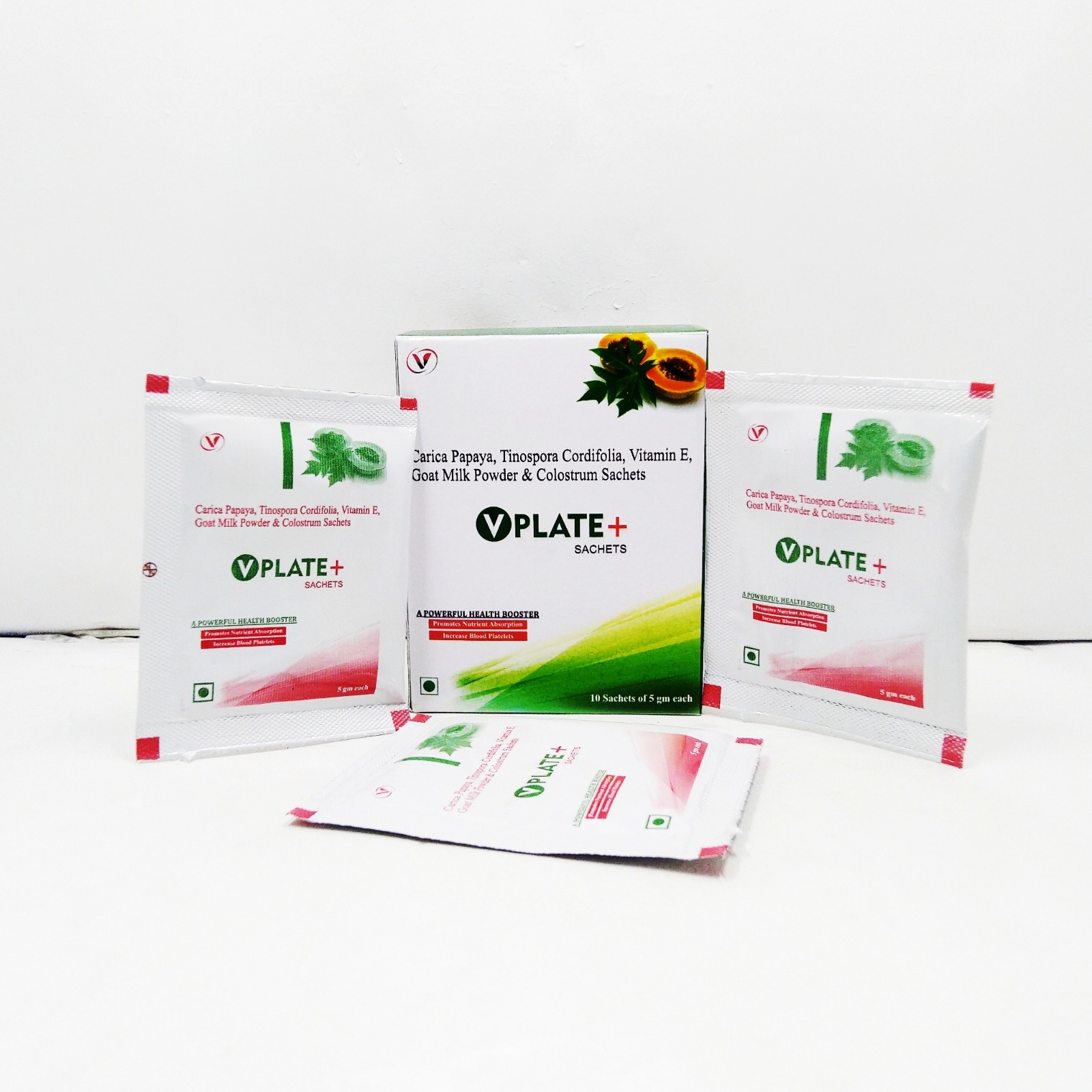
Voizmed Pharma, a leading name in the pharmaceutical industry, has recently launched “V-Plate,” a specialized medicine designed to support dengue treatment. With a focus on enhancing platelet count and boosting the immune system, V-Plate is formulated to aid patients in their recovery from dengue fever. Voizmed Pharma’s commitment to quality and innovation is evident in this new offering, which aims to provide effective support during the critical stages of dengue, helping patients regain their health more swiftly and safely.

1. Persistent Fatigue and Weakness
One of the most common after effects of dengue fever is persistent fatigue and weakness. Even after the fever and other acute dengue symptoms disappear, many people report feeling extremely tired for weeks or even months. This condition, often referred to as post-viral fatigue, can significantly impact daily activities and overall quality of life. The body’s immune response to the dengue virus consumes a lot of energy, leaving individuals feeling drained long after the infection has cleared.
2. Joint and Muscle Pain
Joint and muscle pain can linger after the acute phase of dengue fever. Known as “dengue arthritis” or “dengue myositis,” this pain can be quite severe and last for several weeks. The inflammation caused by the immune system’s response to the virus is believed to be the main reason for these prolonged aches and pains. This can make movement difficult and affect a person’s ability to perform everyday tasks.
3. Mental Health Challenges
Dengue fever doesn’t only affect the body; it can also take a toll on mental health. Many individuals experience anxiety, depression, and other mental health issues during and after their illness. The prolonged period of feeling unwell, combined with physical pain and fatigue, can lead to significant emotional stress. Additionally, the fear of severe complications or a possible recurrence can contribute to anxiety and depression.
4. Hair Loss
Hair loss, or telogen effluvium, is another potential after effect of dengue fever. This usually occurs a few months after the acute phase of the illness. The stress of the infection pushes hair follicles into a resting phase, leading to noticeable hair shedding. Although this type of hair loss is typically temporary and hair growth resumes within a few months, it can be distressing for those affected.
5. Liver Issues
Dengue fever can cause liver inflammation, known as hepatitis, during the acute phase. In some cases, this liver damage can persist, leading to longer-term liver issues. Symptoms of liver problems include jaundice (yellowing of the skin and eyes), abdominal pain, and elevated liver enzymes in blood tests. It’s important to monitor liver function during and after dengue fever to prevent and manage any lasting complications.
6. Increased Risk of Subsequent Infections
Recovering from dengue fever once does not provide complete immunity against future infections. There are four different types of dengue viruses, and infection with one type provides immunity only to that specific type. Subsequent infections with a different type can increase the risk of developing severe dengue, also known as dengue hemorrhagic fever. This phenomenon, called antibody-dependent enhancement, makes subsequent infections potentially more dangerous and requires vigilant prevention efforts.
7. Impact on Children
Children who have had dengue fever may face unique challenges during their recovery. Their developing bodies and immune systems can be more susceptible to the long-term effects of the virus. Prolonged fatigue, nutritional deficiencies due to loss of appetite during illness, and missed school days can all contribute to slower physical and cognitive development. It’s crucial to monitor and support children who have recovered from dengue to ensure they regain their health and developmental milestones.
8. Chronic Dengue Syndrome
In rare cases, some individuals may develop what is known as chronic dengue syndrome. This condition is characterized by prolonged dengue symptoms, including persistent fever, fatigue, and joint pain, lasting for months after the acute infection. Chronic dengue syndrome can significantly impact a person’s quality of life and may require ongoing medical attention and supportive care to manage the symptoms.
See Also – https://voizmed.com/understanding-dengue-fever-symptoms-causes-and-transmission/
Managing and Mitigating the After Effects
Understanding the potential aftereffects of dengue fever is crucial for providing comprehensive care to those recovering from the illness.
Here are some steps that can help manage and mitigate these long-term effects:
- Adequate Rest and Nutrition: Ensuring sufficient rest and a balanced diet can help the body recover more effectively. Consuming nutrient-rich foods can aid in replenishing the body’s energy levels and supporting overall health.
- Pain Management: Over-the-counter pain relievers, physical therapy, and gentle exercises can help manage joint and muscle pain. Consulting a healthcare provider for personalized pain management strategies is advisable.
- Mental Health Support: Seeking mental health support, such as counselling or therapy, can be beneficial for those experiencing anxiety, depression, or other emotional challenges. Support groups can also provide a sense of community and shared experiences.
- Monitoring and Follow-Up: Regular follow-up appointments with a healthcare provider can help monitor recovery progress and address any lingering symptoms or complications. This is particularly important for liver health and overall well-being.
- Preventive Measures: Continuing to take preventive measures against mosquito bites is essential, even after recovery from dengue fever. Using mosquito repellents, wearing protective clothing, and eliminating standing water around living areas can reduce the risk of subsequent infections.
Conclusion
Dengue fever can have long-lasting effects that extend beyond the acute phase of the illness. Persistent fatigue, joint and muscle pain, mental health challenges, hair loss, liver issues, and the risk of subsequent infections are some of the potential after-effects that individuals may experience. Understanding and addressing these effects is vital for supporting patients through their recovery and improving their quality of life.
Frequently Asked Questions (FAQs)
Here are the answers to your questions regarding dengue treatment and platelet increase:
1. Which is the best medicine for dengue?
There is a specific antiviral medicine for treating dengue is “V-Plate”. Treatment mainly focuses on relieving dengue symptoms and supporting the body while the virus runs its course. Common measures include:
- V-Plate: Used to reduce fever and relieve pain.
- Hydration: Oral rehydration solutions or intravenous fluids are essential to prevent dehydration, a common complication in dengue.
- Rest: Adequate rest is crucial for recovery. It’s important to consult a healthcare provider for proper diagnosis and treatment recommendations.
2. Is there any antibiotic for dengue?
No, antibiotics are not effective against dengue. Dengue is caused by a virus, and antibiotics only work against bacterial infections. Treatment focuses on managing symptoms and supporting the immune system. If a bacterial infection occurs as a complication, antibiotics may be used, but they are not part of the standard treatment for dengue itself.
3. How to increase platelets?
Platelet counts can be supported through various means, especially during dengue:
- Hydration: Drinking plenty of fluids helps maintain blood volume, which is crucial for platelet production.
- Diet: Consuming foods rich in folate, vitamin B12, and iron, such as leafy greens, citrus fruits, and lean meats, can support platelet production.
- Papaya Leaf Extract: Some studies suggest that papaya leaf extract may help increase platelet counts in dengue patients.
- Avoid Certain Medications: NSAIDs like ibuprofen should be avoided as they can affect platelet function. If platelet counts drop to dangerously low levels, a doctor may recommend platelet transfusions.
See Also- https://voizmed.com/how-to-increase-platelet-count-a-simple-guide/
Consult a healthcare professional for personalized advice and treatment options.
